ISLAA is pleased to present the first historical survey in New York devoted to the New York Graphic Workshop (NYGW). Returning the project to its city of origin, this presentation revisits the groundbreaking collective and workshop formed by artists Luis Camnitzer (Uruguayan, b. 1937), José Guillermo Castillo (Venezuelan, 1938–1999), and Liliana Porter (Argentine, b. 1941) in New York in 1964 and follows its activity through its final project for the Information exhibition at the Museum of Modern Art in 1970. Bringing together works on paper, mail art, participatory pieces, installations, and archival materials, the exhibition traces the group’s radical expansion of printmaking into a form of artistic production that exceeded its material limits, highlighting its contributions to the evolution of conceptual art between New York and Latin America.
From its founding, the New York Graphic Workshop set out to revitalize the medium of printmaking. Rather than focus on technical processes or aesthetic concerns, Camnitzer, Castillo, and Porter redefined it in terms of its conceptual properties, which they extended to question notions of originality, authorship, and circulation. Central to this goal was the core belief that the mass-produced print offered the utopian possibility of a more democratic art form, capable of transcending the uniqueness and exclusivity associated with traditional conceptions of art.
Organized around three related topics—the print, the object, and what Castillo referred to as the “super-object” to describe artworks ingrained in a specific context—this survey follows the evolution of the workshop's ideas from its earliest investigations into the nature of printmaking to increasingly radical critiques of art and institutional systems. Prints by Camnitzer, Castillo, and Porter foreground their interests in manipulating language, material, and perception. Participatory pieces by Camnitzer and Porter extend printmaking into public space and encourage the viewer’s participation in the work’s construction. In the well-known example Untitled (from Wrinkle Environment II) (1969), on view in this exhibition, Porter invited visitors to remove sheets from a ream, crumple them, and throw them onto the floor, transforming an ordinary action into a collective and potentially limitless edition.
The presentation also examines the group’s efforts to establish new modes of exhibition-making and collaboration in opposition to mainstream art institutions, highlighting, among other projects, their exhibitions distributed through the mail and housed in a bank safe-deposit box. Showcasing its transnational scope, it will also feature re-creations of installations in Venezuela, Argentina, Chile, and the United States, including Masacre de Puerto Montt (Puerto Montt Massacre, 1969) by Luis Camnitzer and the later Untitled (Nails) (1973) by Liliana Porter, which represented a continuation of the workshop’s ideas. Beyond its role as a collective, the New York Graphic Workshop also operated as a printing studio, publisher, school, and experimental laboratory for peers such as Marcelo Bonevardi, Salvador Dalí, Marta Minujín, Luis Felipe Noé, and Jorge de la Vega—including many Latin American artists working in New York.
The exhibition will be accompanied by two short films from ISLAA’s 270 series— a collection of video portraits that seek to preserve and amplify the work of Latin American artists—on Camnitzer’s and Porter’s recent individual practices, showcasing the continuation of certain themes across their trajectories. It will also include substantial archival documents, including the New York Graphic Workshop’s manifestos, photographs, and catalogues from their participation in key exhibitions of conceptual art across the Americas. As an extension of ISLAA’s commitment to supporting original scholarship, additional primary source materials related to the group’s members and collaborators—including Bonevardi, Minujín, Noé, and de la Vega—will be made available to researchers in the ISLAA Library and Archives.
This exhibition foregrounds a vital moment when artists were rethinking forms of art, collaboration, and institutionality—through performance, installation, and participation—across the Americas. Following the surveys The New York Graphic Workshop, 1964–1970 at the Blanton Museum of Art (2008), curated by Ursula Dávila-Villa and Gabriel Pérez-Barreiro, and the recent exhibitions El New York Graphic Workshop en el Museo Nacional de Bellas Artes de Chile, 1969–2024 and Porter-Camnitzer. Los años del New York Graphic Workshop at the Museo Nacional de Bellas Artes in Buenos Aires (2025), curated by Silvia Dolinko, The New York Graphic Workshop: Towards Total Art offers a focused introduction to a foundational collaborative project of conceptual art.
The New York Graphic Workshop: Towards Total Art is curated by Olivia Casa. The exhibition was developed in collaboration with Luis Camnitzer and Liliana Porter. Assistance was provided by Micaela Vindman, Starasea Camara, and Clara Prat-Gay, with special thanks to Agustín Diez Fischer. It is accompanied by an original publication featuring an essay by curator and art historian Silvia Dolinko.
The exhibition will be presented on ISLAA’s two levels from September 26, 2026 through January 9, 2027. Divided into two segments, the installation in ISLAA’s lower-level gallery will present Masacre de Puerto Montt by Camnitzer from September 26 through November 14, followed by Untitled (Nails) by Porter from November 21 to January 9.
INSTALLATION VIEWS
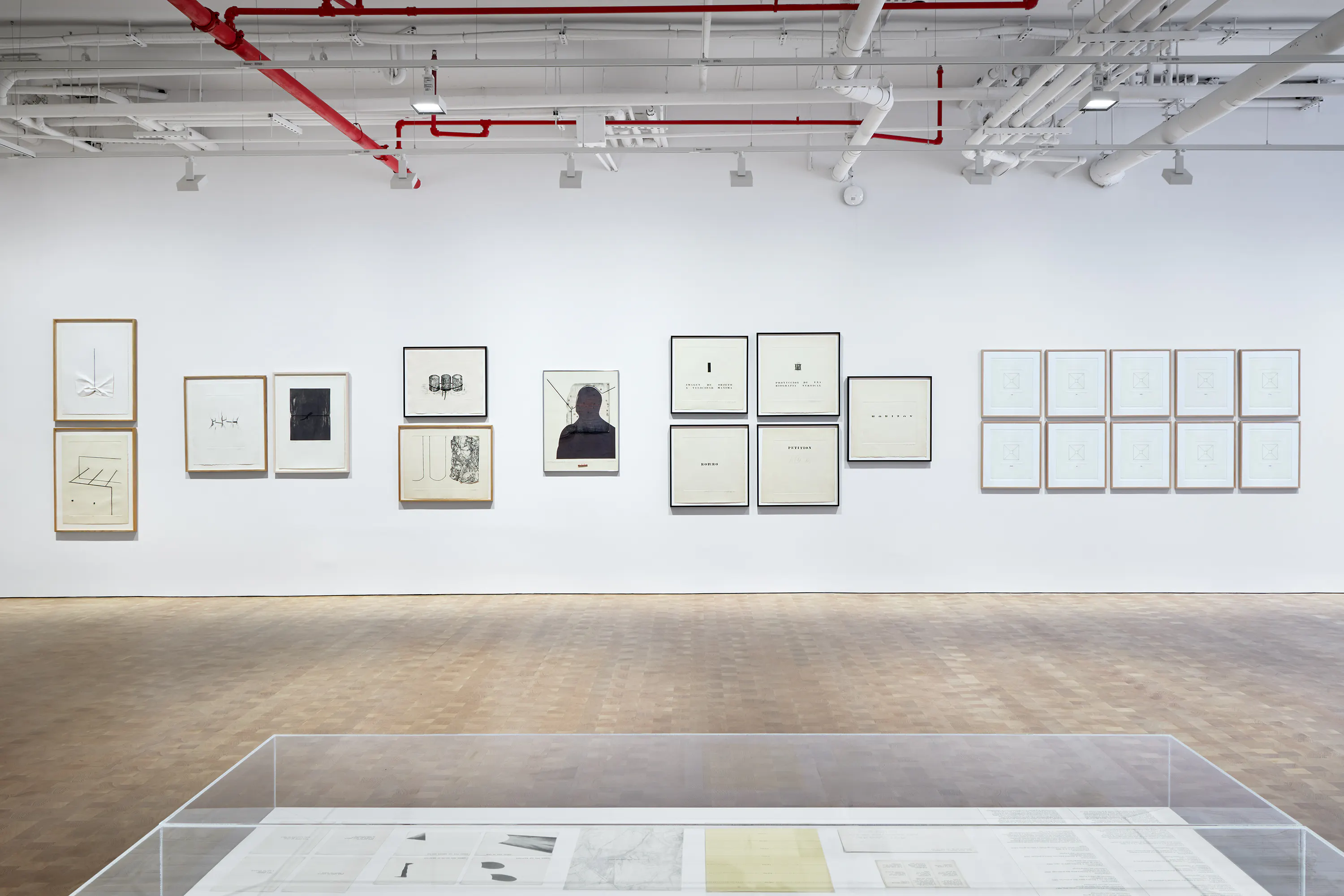
Installation view of The New York Graphic Workshop: Towards Total Art, ISLAA, New York, 2026. Photo: Marc Tatti
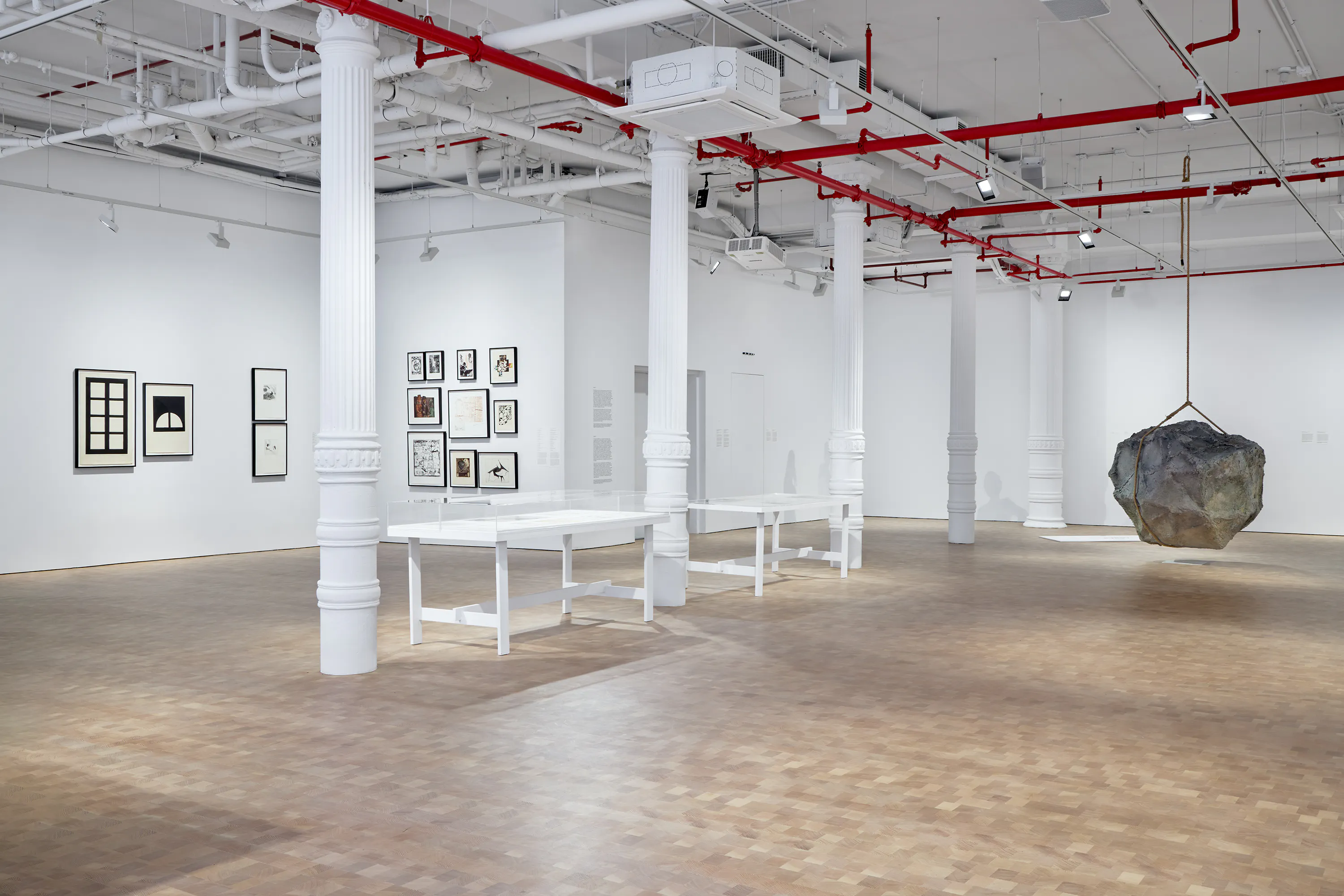
Installation view of The New York Graphic Workshop: Towards Total Art, ISLAA, New York, 2026. Photo: Marc Tatti
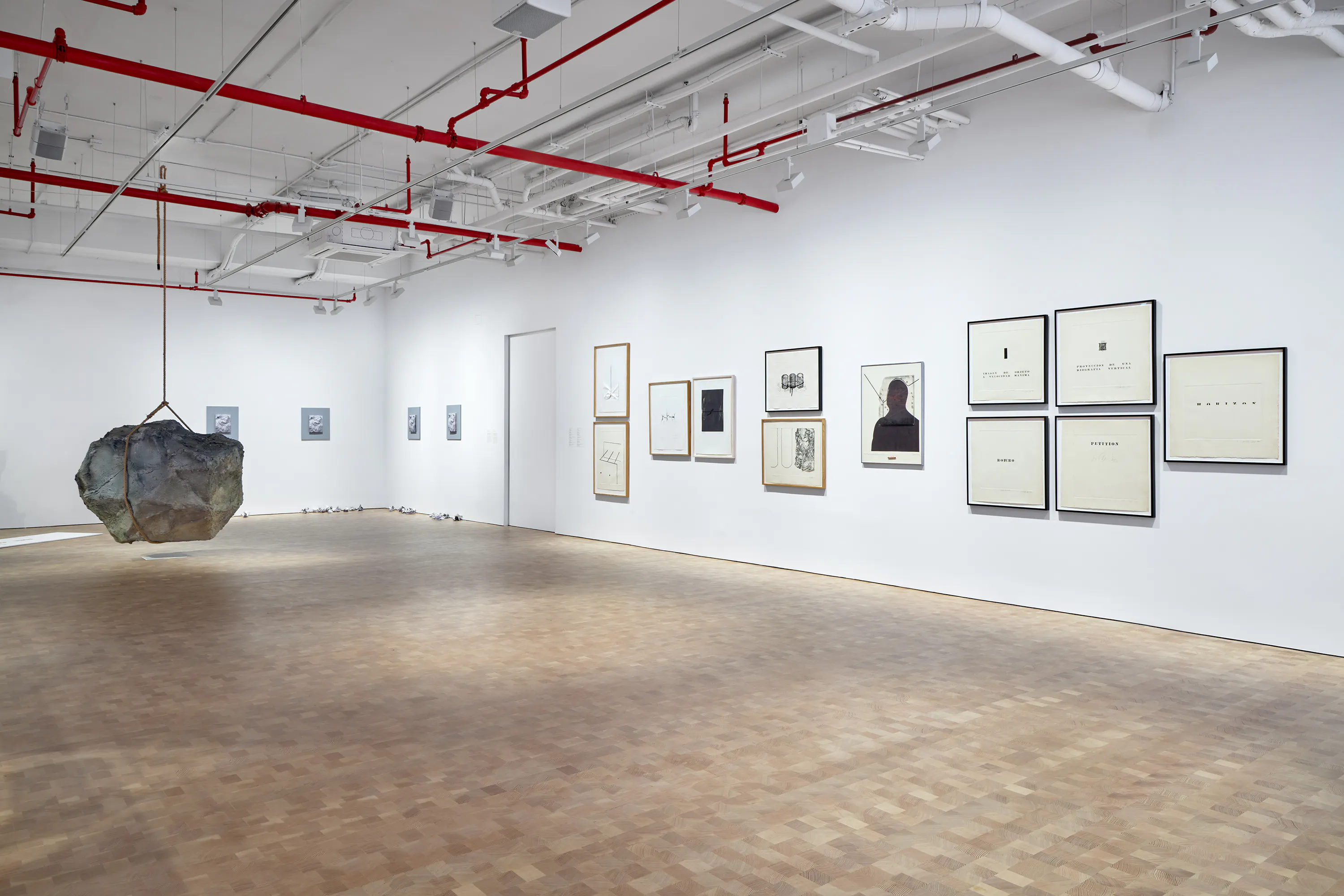
Installation view of The New York Graphic Workshop: Towards Total Art, ISLAA, New York, 2026. Photo: Marc Tatti
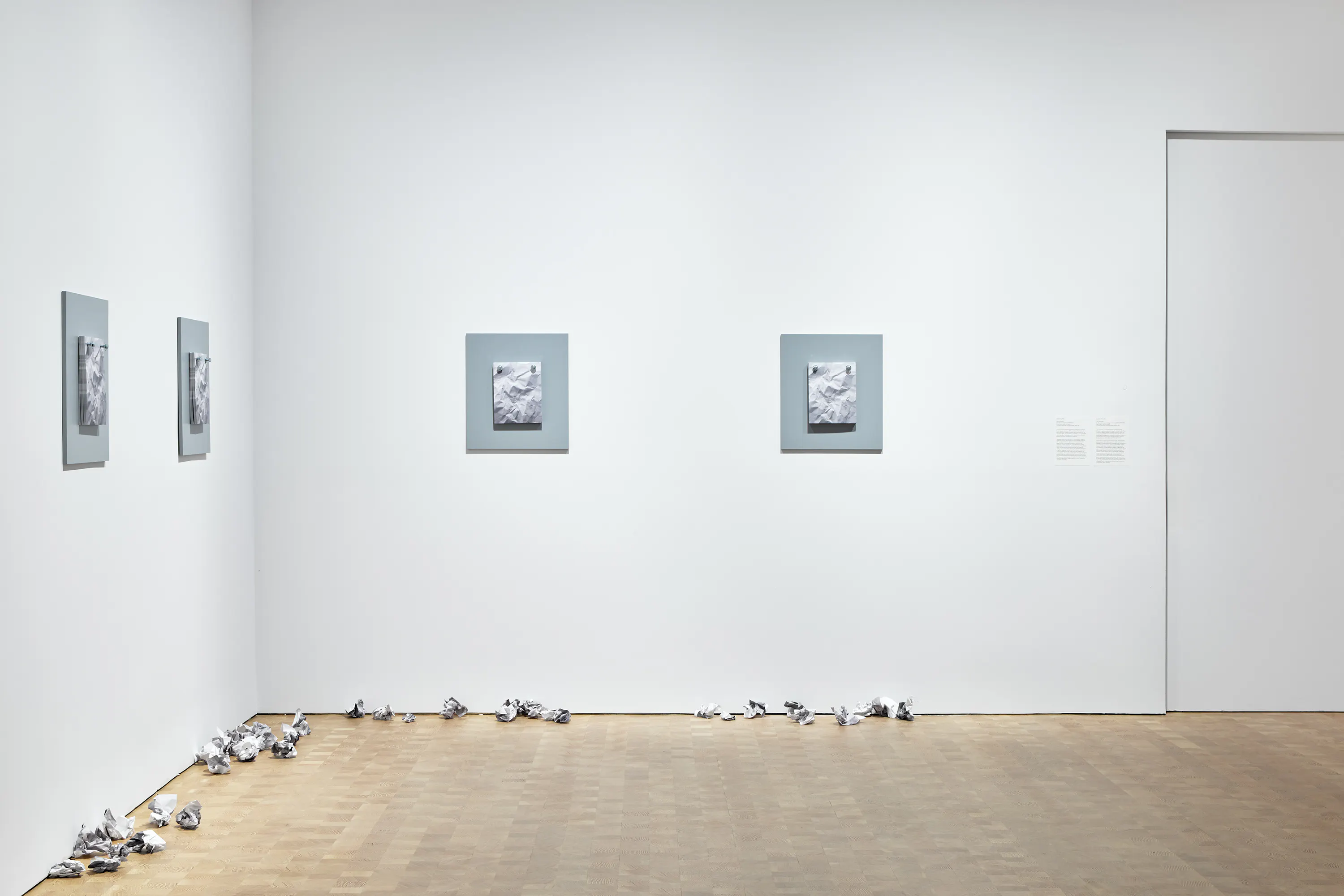
Installation view of The New York Graphic Workshop: Towards Total Art, ISLAA, New York, 2026. Photo: Marc Tatti
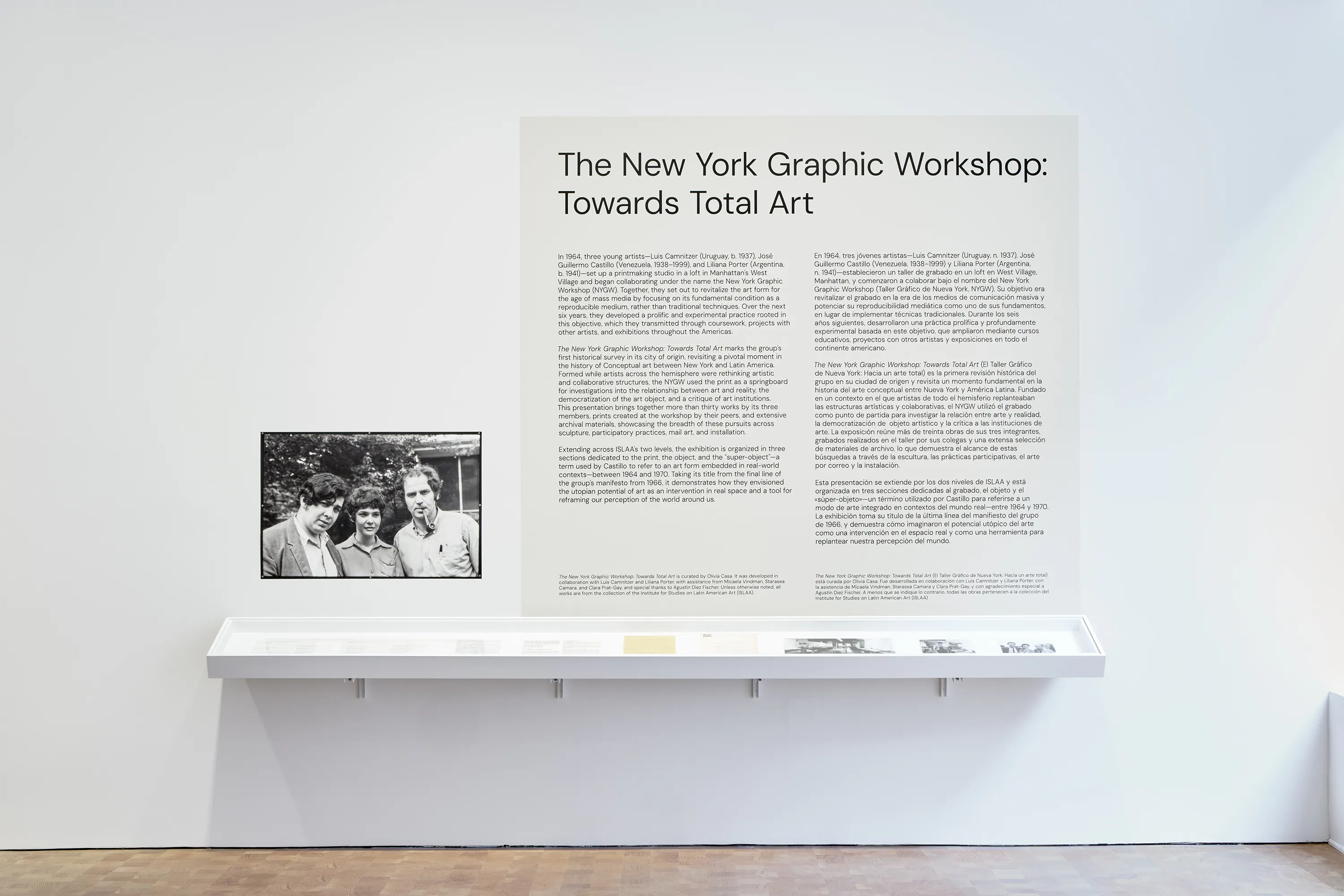
Installation view of The New York Graphic Workshop: Towards Total Art, ISLAA, New York, 2026. Photo: Marc Tatti
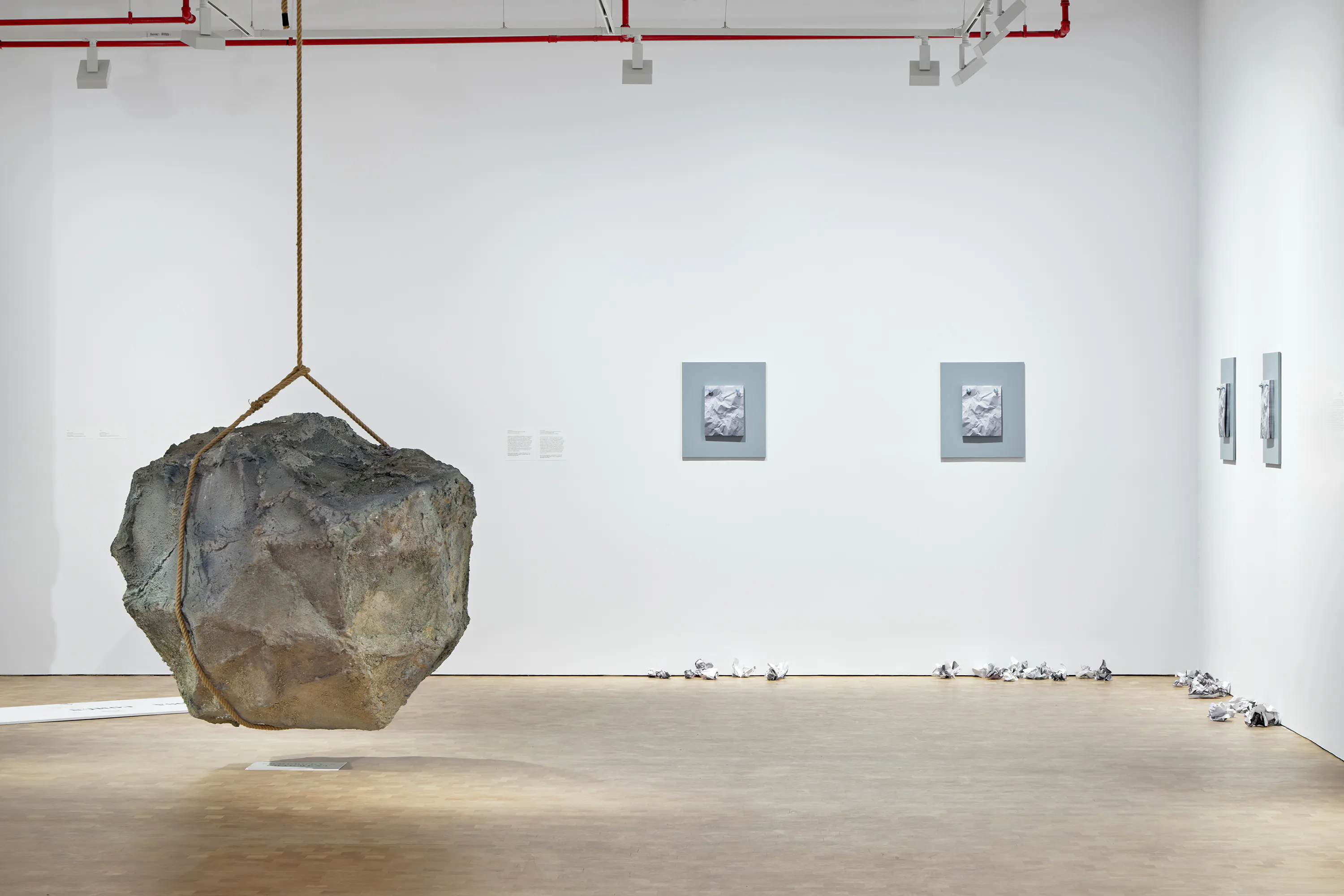
Installation view of The New York Graphic Workshop: Towards Total Art, ISLAA, New York, 2026. Photo: Marc Tatti
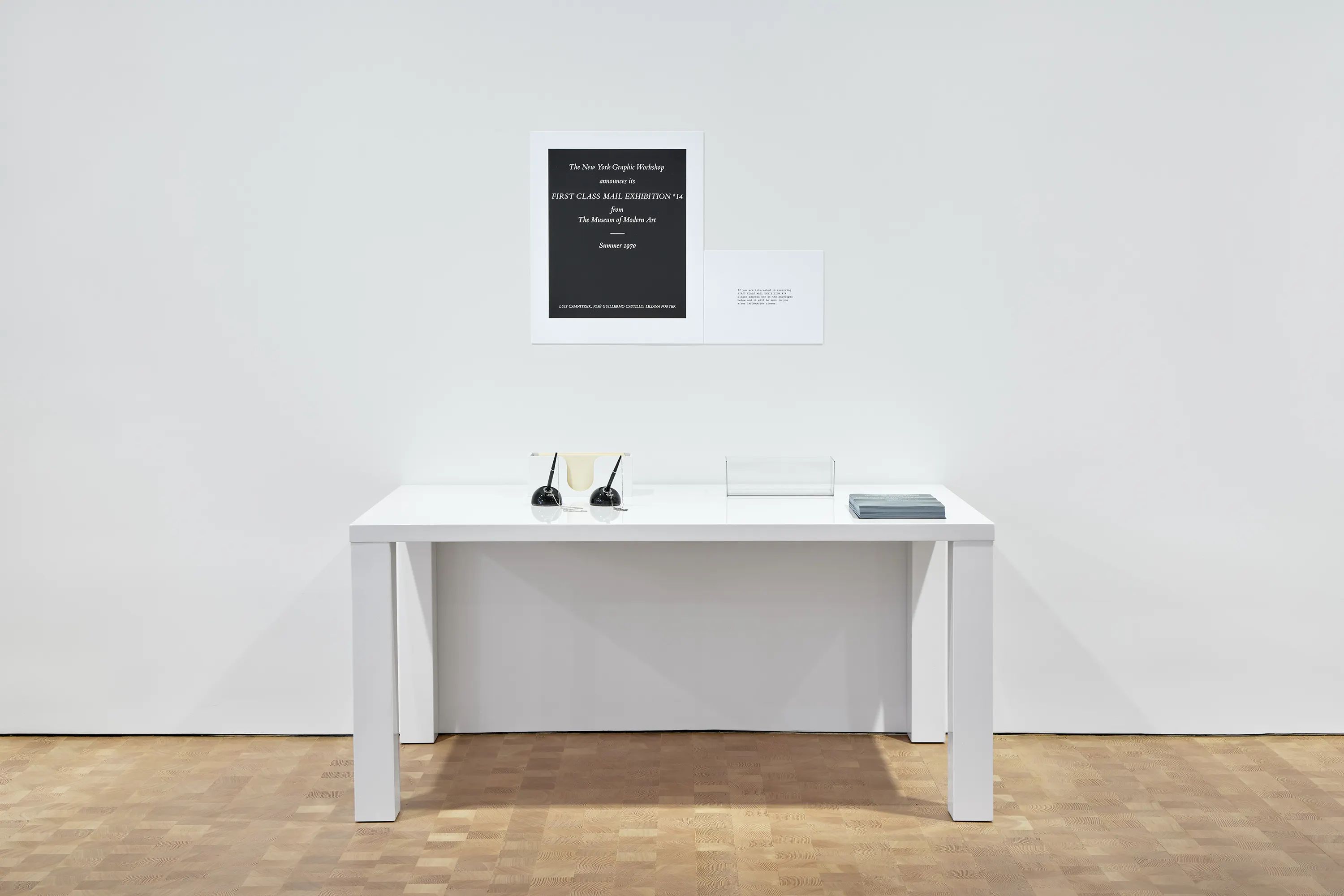
Installation view of The New York Graphic Workshop: Towards Total Art, ISLAA, New York, 2026. Photo: Marc Tatti
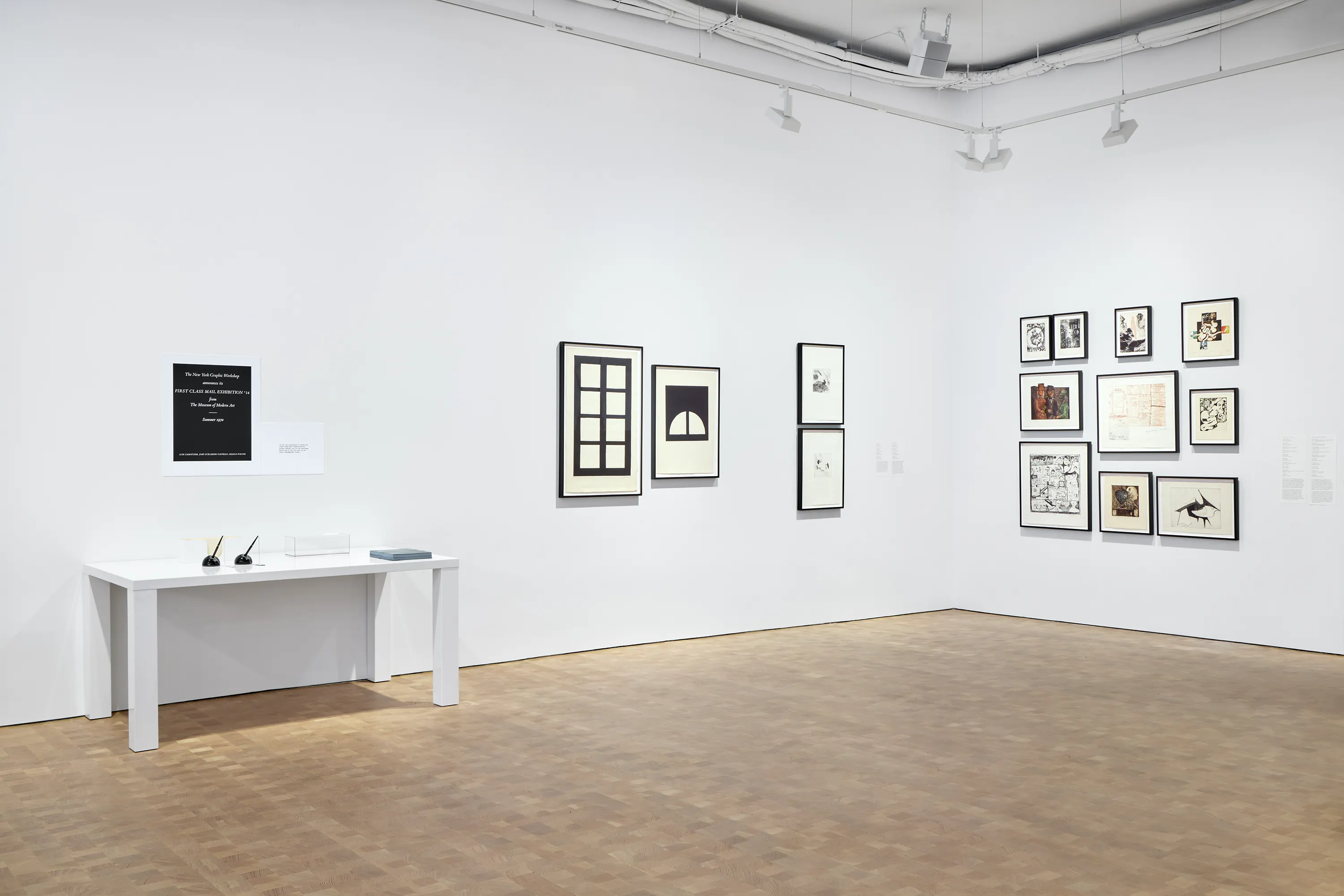
Installation view of The New York Graphic Workshop: Towards Total Art, ISLAA, New York, 2026. Photo: Marc Tatti
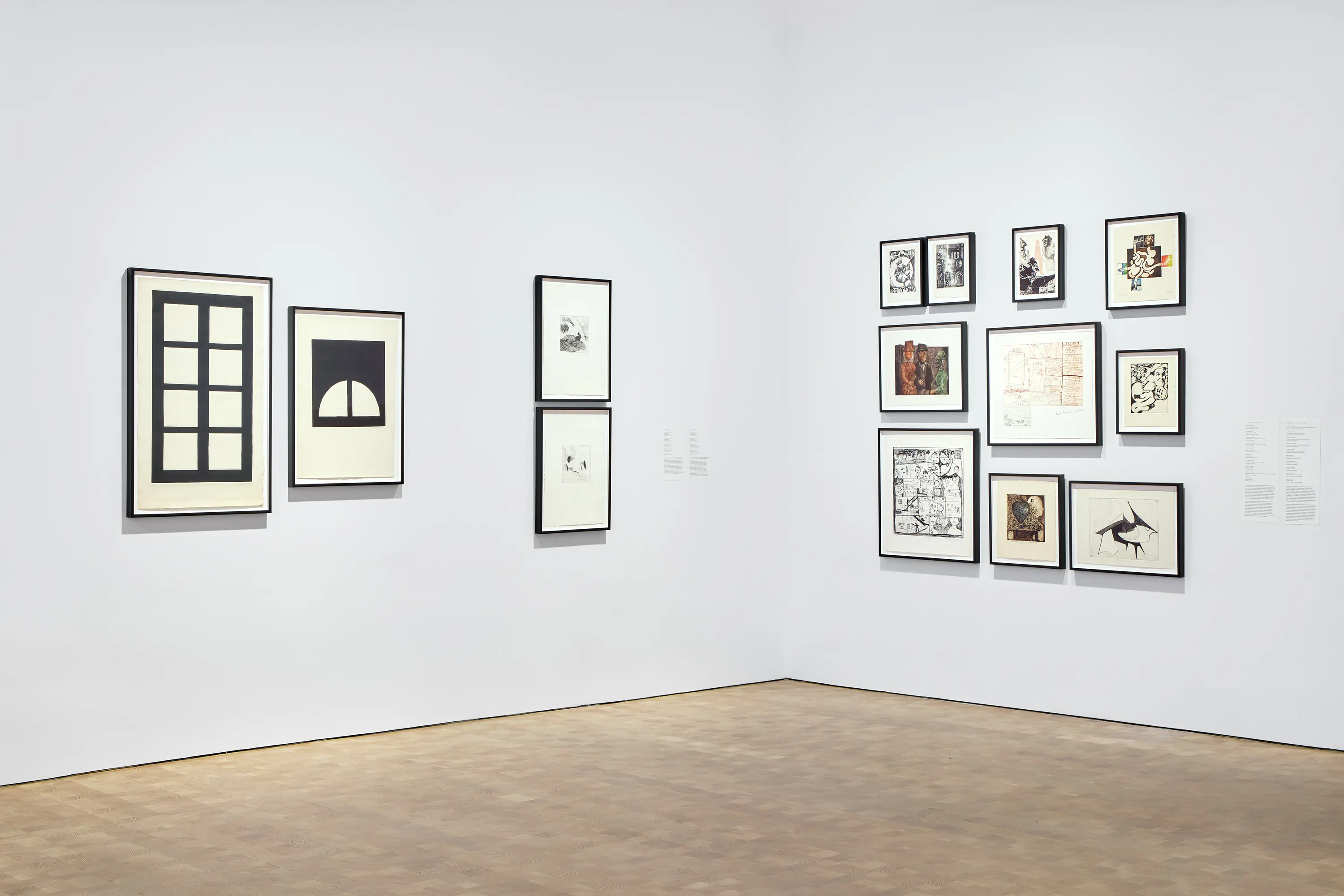
Installation view of The New York Graphic Workshop: Towards Total Art, ISLAA, New York, 2026. Photo: Marc Tatti
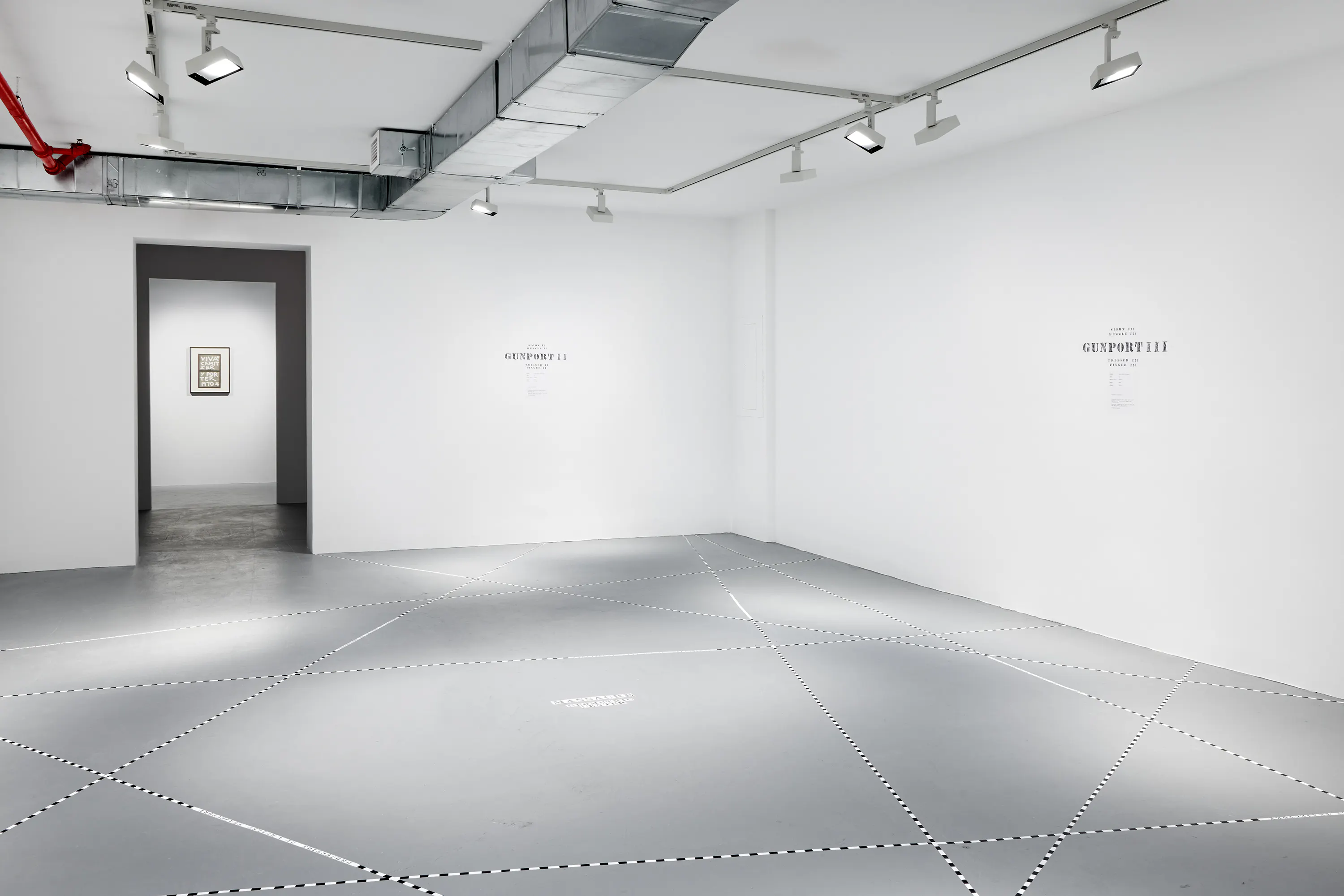
Installation view of The New York Graphic Workshop: Towards Total Art, ISLAA, New York, 2026. Photo: Marc Tatti
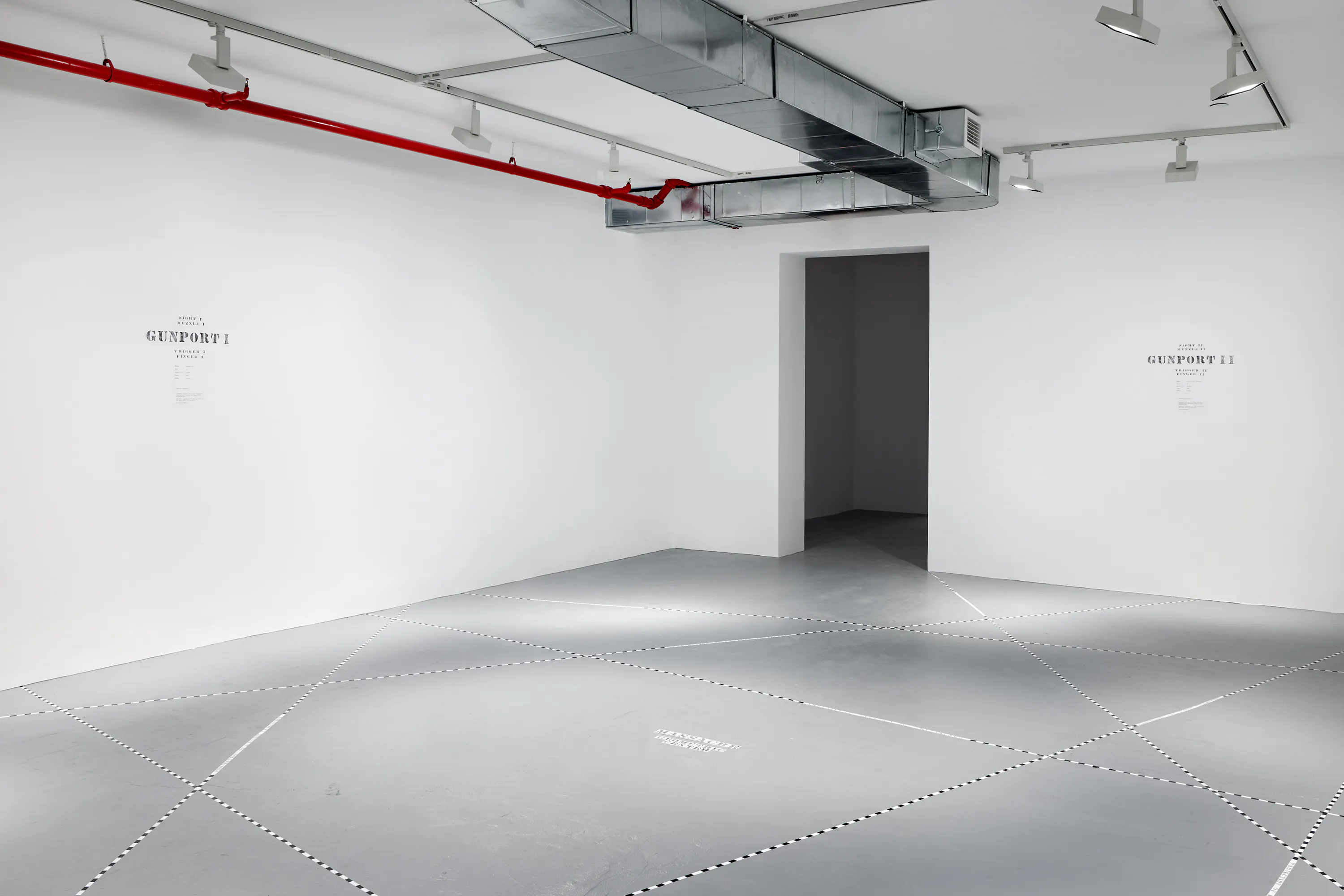
Installation view of The New York Graphic Workshop: Towards Total Art, ISLAA, New York, 2026. Photo: Marc Tatti
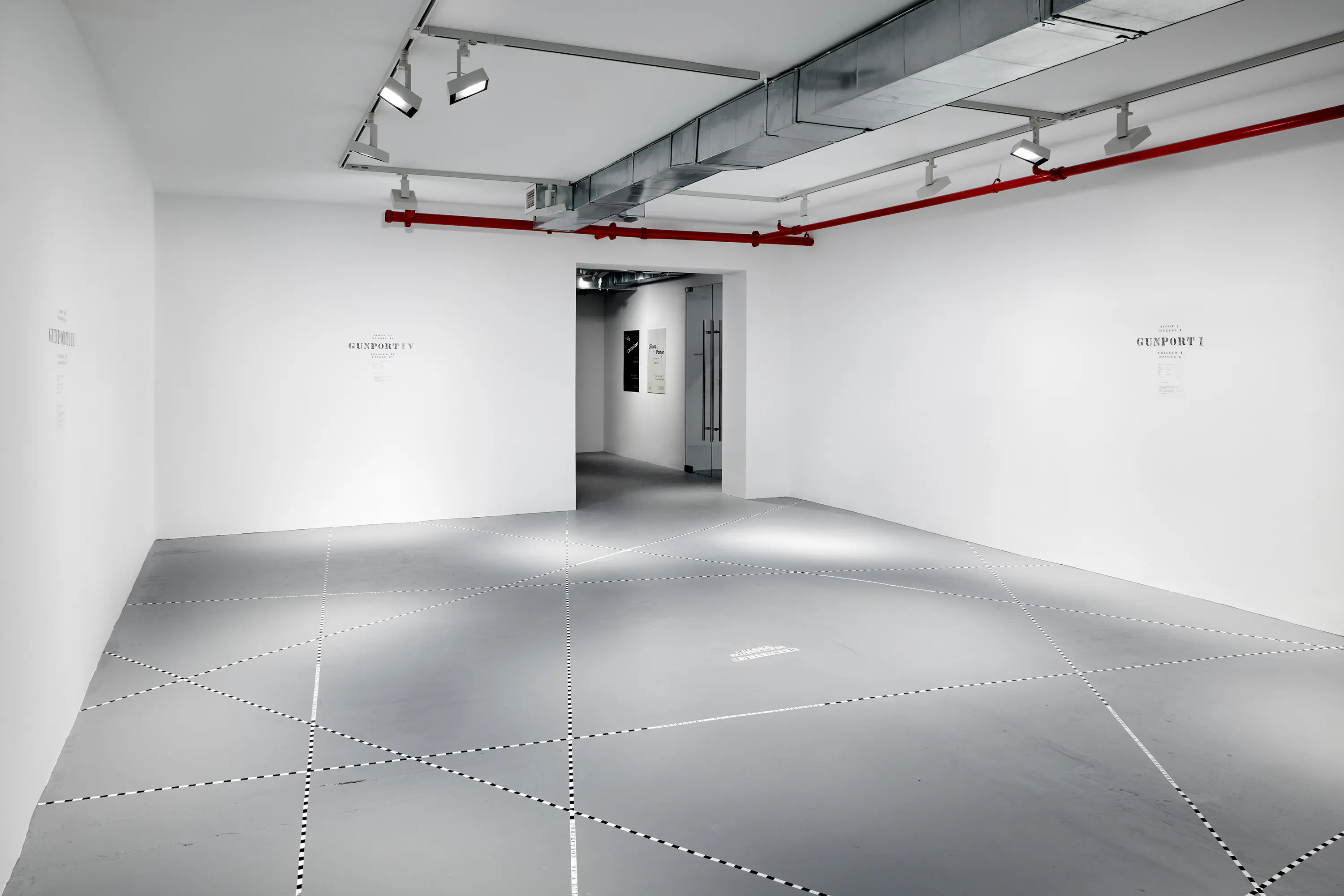
Installation view of The New York Graphic Workshop: Towards Total Art, ISLAA, New York, 2026. Photo: Marc Tatti

Olivia Casa is a curator and writer whose work focuses on art of the Americas from 1960 to the present. She is currently curator and senior manager of exhibition programs at the Institute for Studies on Latin American Art (ISLAA). Select recent exhibitions include Violaciones Domésticas: Feminist Constellations in 1990s Argentina (ISLAA, with Starasea Camara, 2025); Luis Fernando Benedit: Invisible Labyrinths (with Laura Hakel and Bernardo Mosqueira, ISLAA, 2024); Revisiting the Potosí Principle Archive: Histories of Art and Extraction (with Pujan Karambeigi, ISLAA, 2023); Felipe Ehrenberg: Testamento (ISLAA, 2021); and Anna Bella Geiger: Here Is the Center (Wallach Art Gallery, 2018). Previously, she has worked on and contributed to publications and exhibitions at the Jewish Museum, the Walther Collection, and the New Museum, among other institutions.