ISLAA is pleased to present Yeni and Nan: Genesis, a solo exhibition of work by Venezuelan artists Jennifer Hackshaw (Yeni, b. 1948) and María Luisa González (Nan, b. 1956). Working together under the name Yeni and Nan, the pair developed a collaborative practice that was foundational to the emergence of action-based and body-centered art in Venezuela during the late twentieth century.
Yeni and Nan met as students at the Escuela Técnica de Artes Visuales Cristóbal Rojas in Caracas and began collaborating in 1977, initiating a partnership that would continue for nearly a decade. Working within a cultural landscape still shaped by geometric abstraction and kinetic art—movements that emphasized permanence and visual autonomy—they gravitated instead toward dematerialized, event-based forms: happenings, time-based media, installations, performances, and environments conceived as moments for collective experience. Supported by alternative spaces such as the Fundación Sala Mendoza and the Galería de Arte Nacional, they experimented freely with photography, video, and performance, positioning the body as both site of investigation and medium of expression.
Yeni and Nan’s work explores cycles of birth, metamorphosis, and renewal, probing the shifting relationships between self and other, and between human and environment through staged acts of doubling, mirroring, and inversion. Their investigations of air, earth, water, and bodily gesture contributed to a broad redefinition of artistic languages in 1970s and ‘80s Caracas, and continues to resonate with current dialogues on feminism, cultural memory, and ecocritical thought today.
The exhibition focuses on Transfiguración elemento tierra (Transfiguration Element Earth, 1980–83), a series in which Yeni and Nan examine the generative force of earth as the origin of all things. It traces this work back through earlier investigations of emergence and selfhood in Presencias (Presences, 1977), Nacimiento I & II (Birth I & II, 1979), Integraciones contemplativas (Contemplative Integrations, 1980), and Integraciones en agua (Integrations in Water, 1981). Together, these works present the artists’ practice as a continuum—a sustained choreography of interaction in which exchanges among bodies and elemental matter unfold across overlapping temporalities and interdependent configurations.
Bringing together sequenced photographs, intervened Polaroids, projected footage, and single-channel videos produced between 1977 and 1983, the exhibition foregrounds the fragmented yet entangled interplay between action and image, presence and inscription, index and trace. In Yeni and Nan: Genesis, the act of becoming is both enacted and observed—generating a reflexive effect in which performance folds back onto its own mediation
Yeni and Nan: Genesis is curated by Clara Prat-Gay.
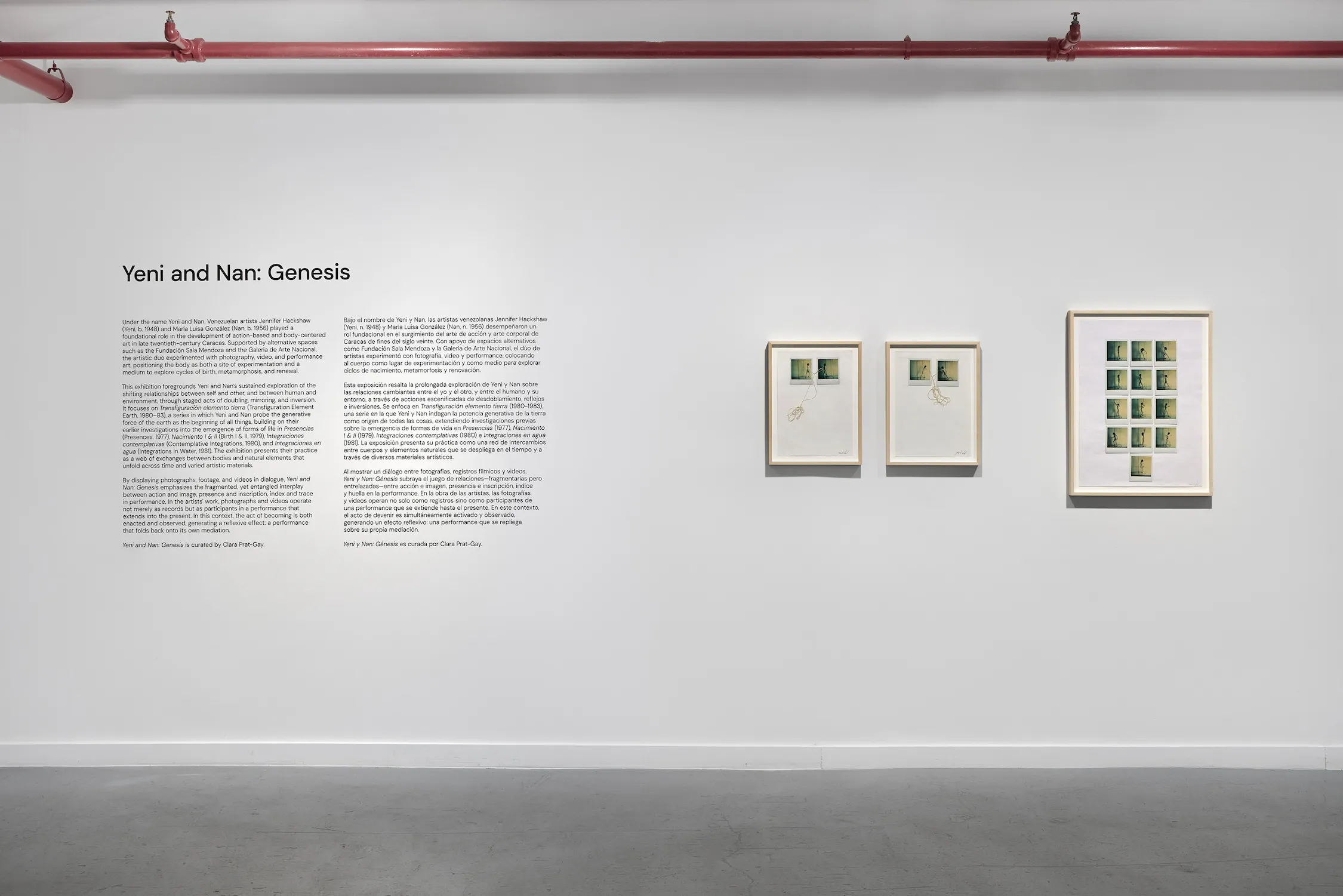
Installation view of Yeni and Nan: Genesis, ISLAA, 2026. Photo: Marc Tatti
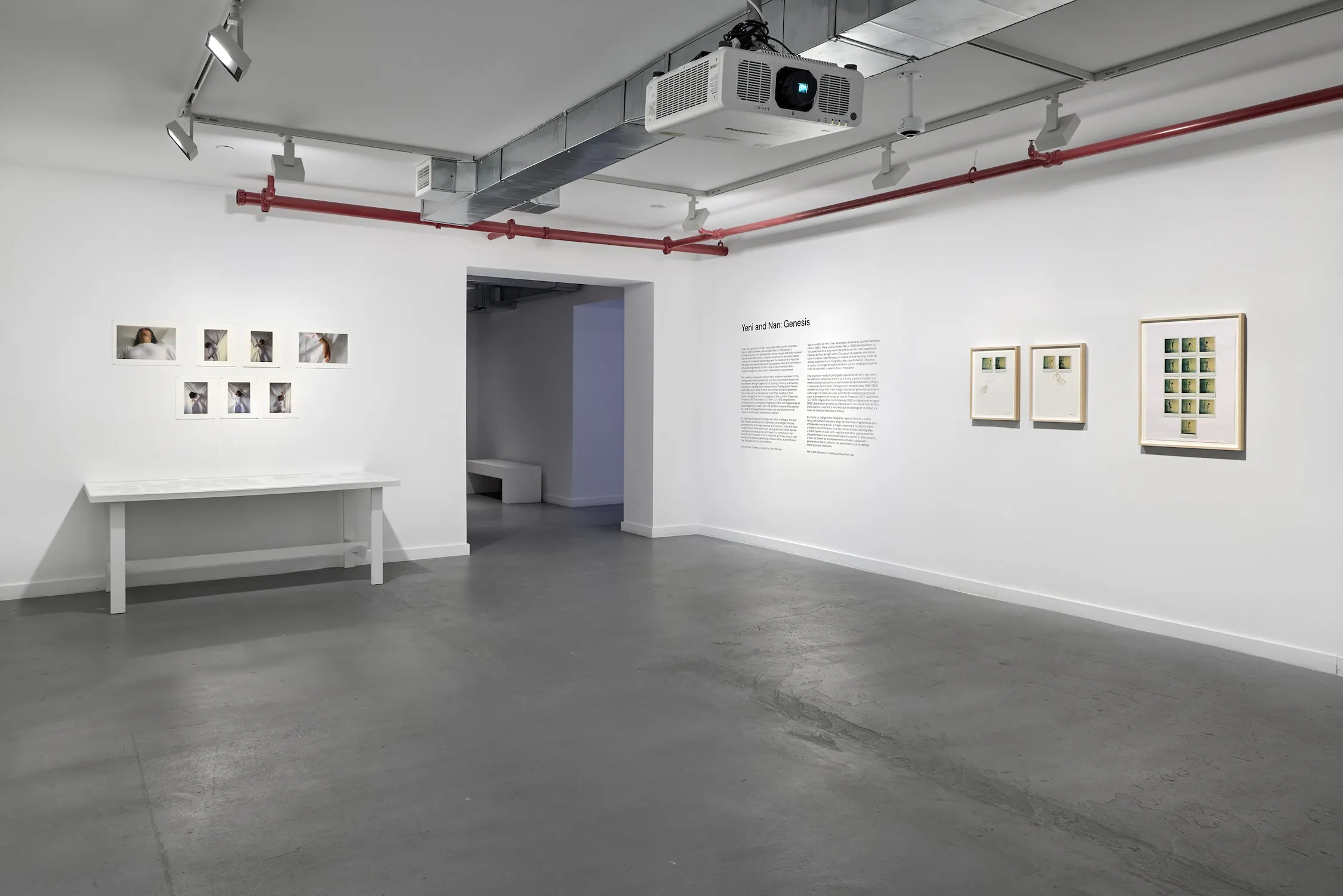
Installation view of Yeni and Nan: Genesis, ISLAA, 2026. Photo: Marc Tatti
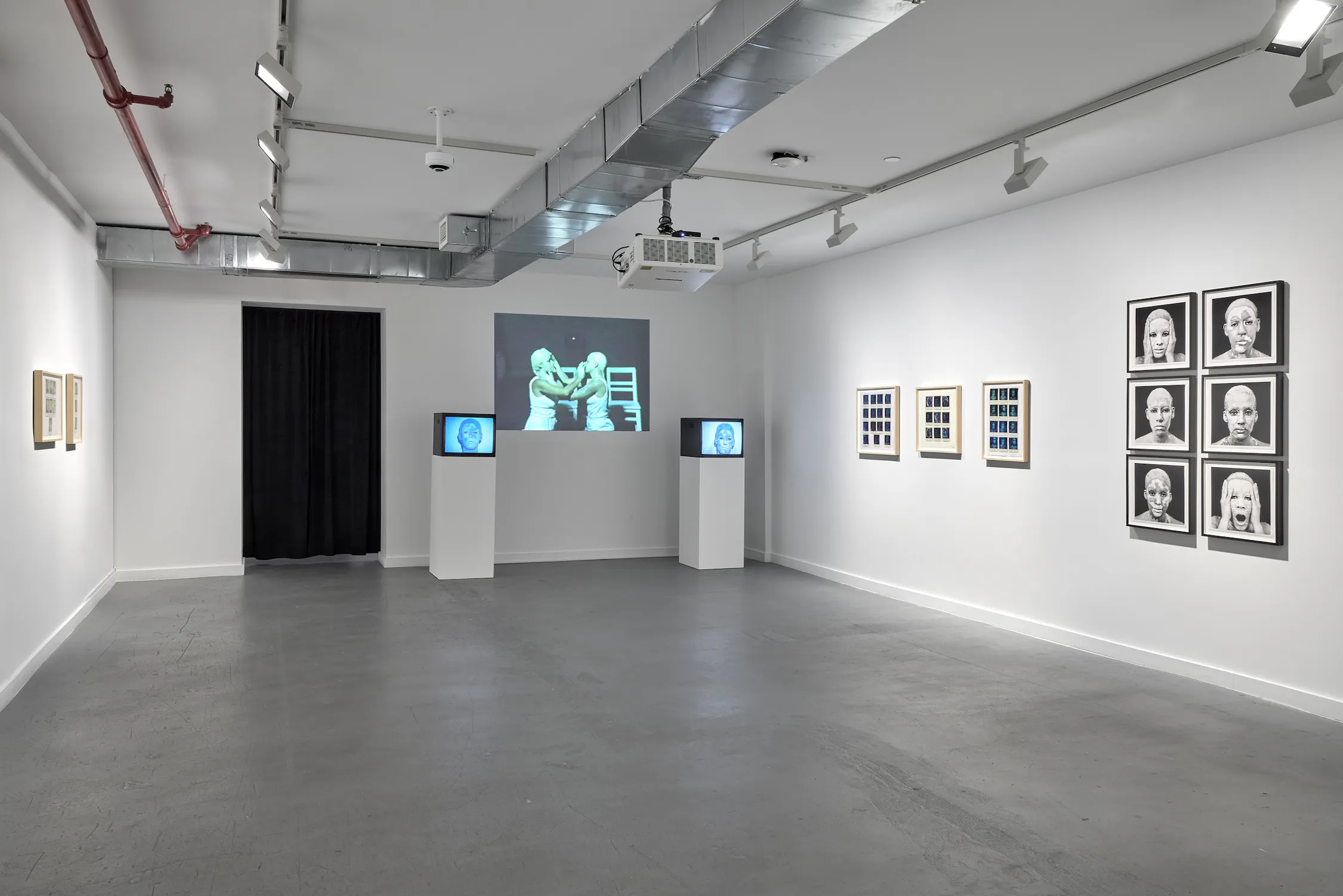
Installation view of Yeni and Nan: Genesis, ISLAA, 2026. Photo: Marc Tatti
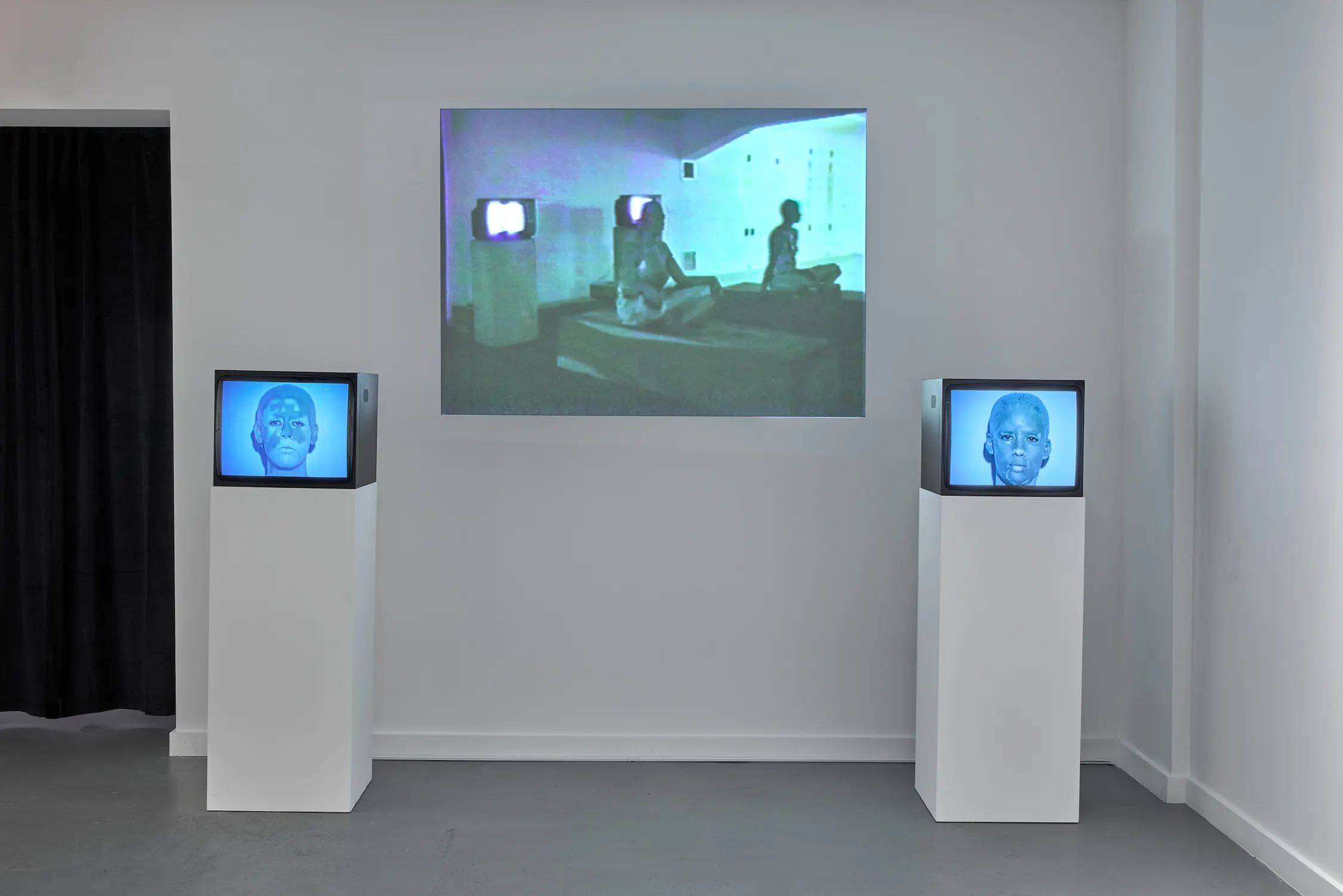
Installation view of Yeni and Nan: Genesis, ISLAA, 2026. Photo: Marc Tatti
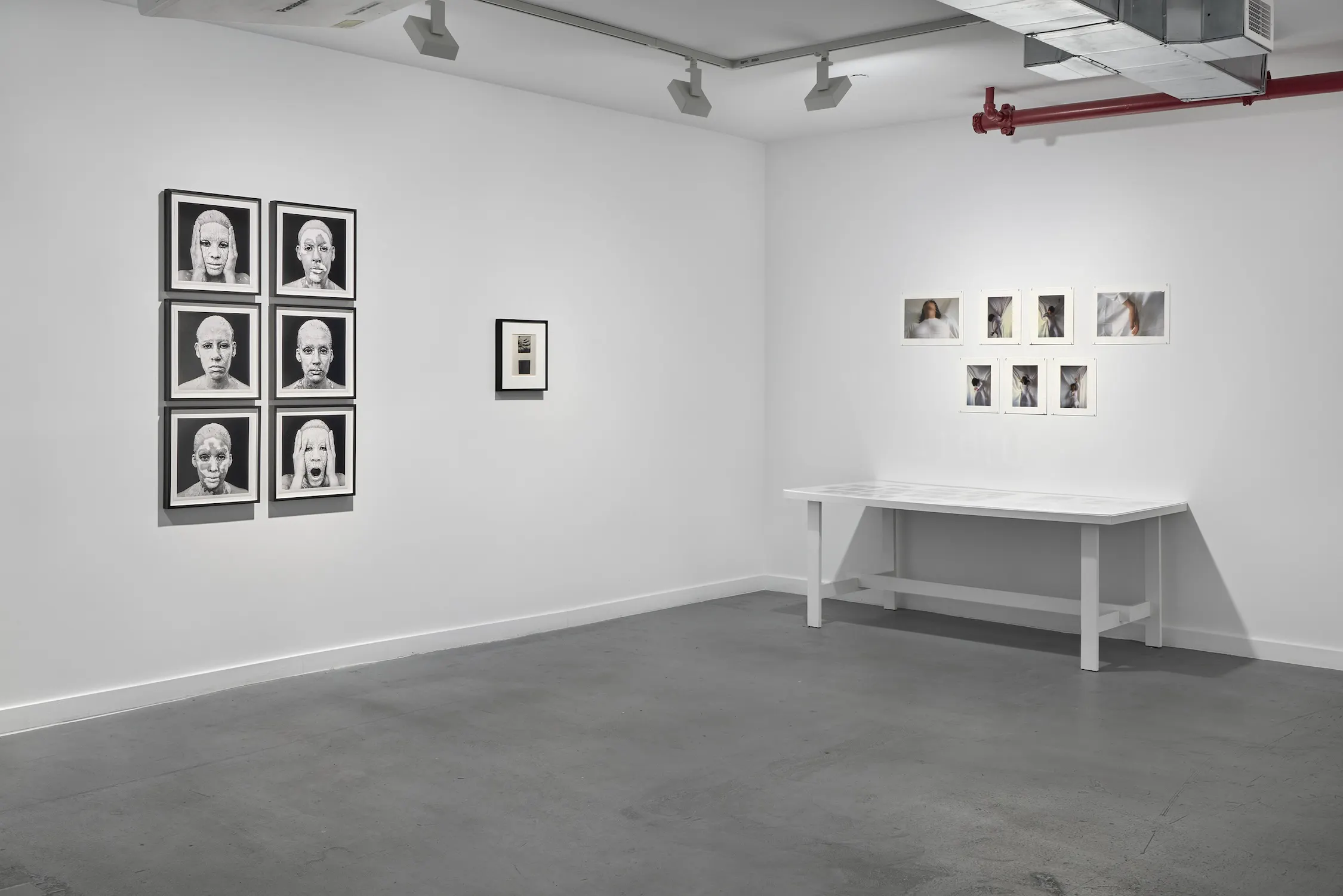
Installation view of Yeni and Nan: Genesis, ISLAA, 2026. Photo: Marc Tatti

Clara Prat-Gay is a New York–based art researcher, curator, and writer. She currently serves as curatorial assistant at the Institute for Studies on Latin American Art (ISLAA), where she has contributed to exhibitions including Dueñas de la Noche: Trans Lives and Dreams in 1980s Caracas (2024), Magali Lara: Stitched to the Body (2025), Marcia Schvartz: Power in Looking Back (2025), and Claudio Perna: Idea como Arte (2026). Previously, she held curatorial and editorial positions at museums, galleries, and nonprofit institutions, including Speciwomen, Swiss Institute, and the Buenos Aires City Government’s Ministry of Culture. She holds an MA in Curatorial Studies from the Center for Curatorial Studies at Bard College.